Tuesday, February 25, 2014

Week 7

Semiconductor of the Week: 

Silicon!


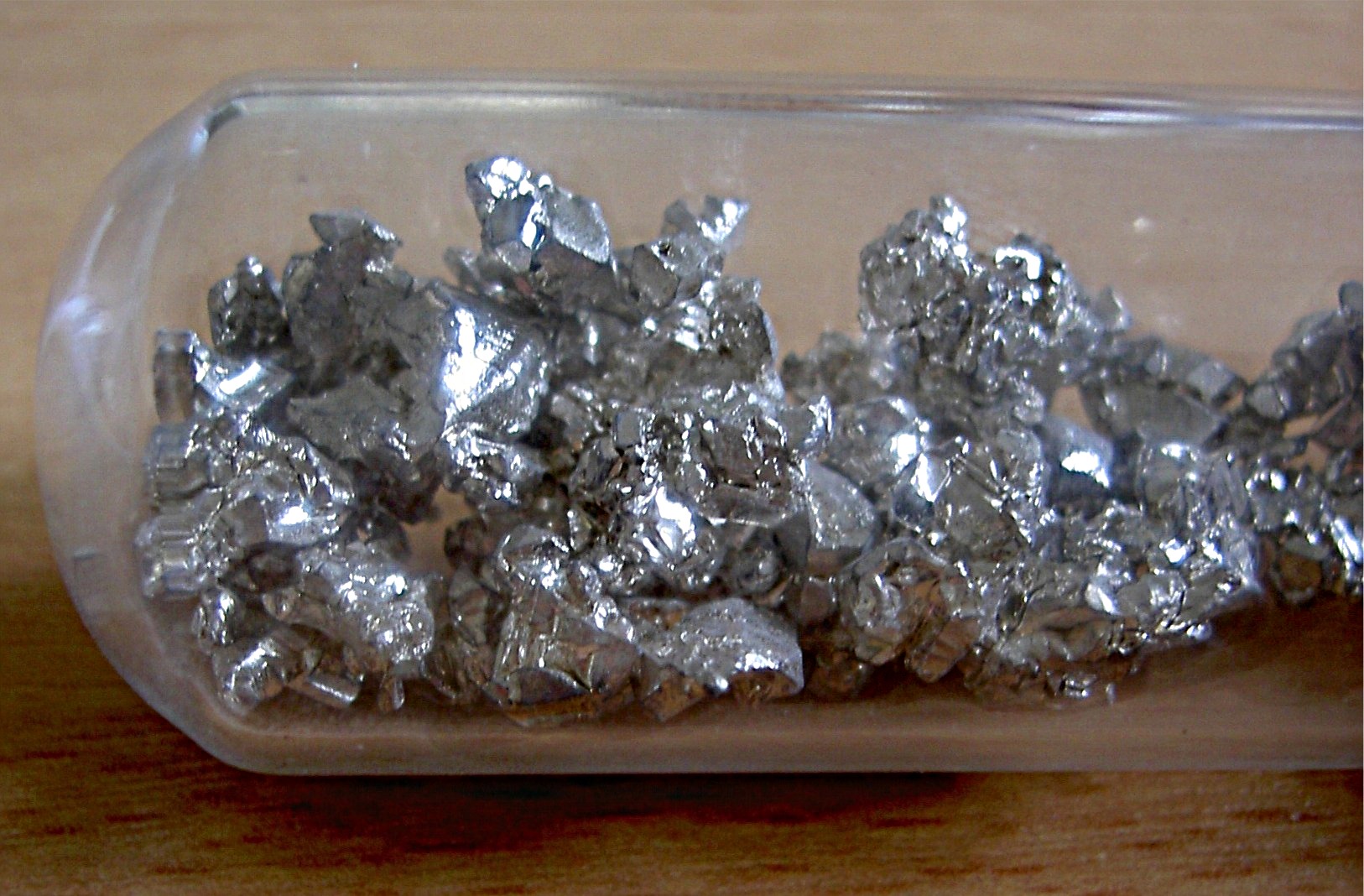
Silicon's atomic number is 14, and weight is 28.  It is solid at room temperature, with a boiling point of 3538 K.  Silicon's name derives from the Latin word silex, meaning flint.  It's the 7th most abundant element in the universe and 2nd most abundant composing the earth's crust. Silicon dioxide looks like sand, and is also used in manufacturing glass and bricks.  Silicon carbide is nearly as hard as a diamond! It is also the key component of silicone, which is used as lubricants or implants (which I automatically think of when I think of silicon).

Alchemy – science, magic, art – or all three?
All three! To me, alchemy can be all three. The science aspect being using the leprosy bacteria as an example.  I found this article to be interesting because it showed the progressing field of regenerative medicine, and how far we've come.  The magic aspect was shown in Wilhelm, Jung, and Baynes book.  The art aspect being Irwin's article.  Despite these articles, I think alchemy can be all three depending on the mindset and mentality.  It's undoubtedly an interesting subject, with non believers, but then again, not everyone can be a believer.


Tonight's discussion:

I found the article about building a hydrogen fuel cell interesting. Most of the time when we think of science or chemistry, we tend to think of labs.  However, this showed how to do your own experiment with things that could easily be found around the house (perhaps besides a volt meter).  The steps were well illustrated, making it a perfect science project!


Monday, February 17, 2014

Week 6

Alkali Earth Metal of the Week:

CALCIUM!


Calcium's elemental number is 20, with an atomic mass of 40.  It is an alkali earth metal whose name derives from the greek work calcis, meaning lime.  It is the most abundant element found in our bodies.  The earth's crust is made up of 3.5% of calcium.  When I think of calcium, I typically think of bones and teeth. The uses of this element are also vital in the make up of shells.  It can also be found in chalk, limestone, and marble.  

Avogardo's Hypothesis:
I had a few problems with the site since it wouldn't let me show the correct answers. But the answers that I did chose are displayed below: 

Which of the following is not a characteristic of an hypothesis?
  it lets us make predictions that can be experimentally tested
like a theory, it may be revised
when it is well established it will become a scientific law
it suggests a cause - effect relationship to explain why some event occurs

Consider the following combining gas volumes:  Chlorine 50 mL   Oxygen 25 mL
What formula is suggested by the combining ratio of these gases?
Cl2O  ClO2  Cl5O2.5   Cl50O25     none of them       

Which of the following statements is true?
Equal volumes of gases contain equal numbers of particles
Molecules such as O2 cannot exist because their like particles would repel
According to Dalton the formula for ammonia would be NH
When Avogadro made up his hypothesis, he was a lawyer for the Catholic church

Molecular Medicine:

I find molecular medicine to be very interesting! It's amazing how far we've advanced in technology, to the point where robots can be programed in our bodies to attack certain cells. However, I'm still apprehensive about the whole approach. If something were to go awry, the consequences could be fatal. And as someone mentioned in class, it could almost be a way for the government to control us even further (just a thought). I think while the idea is still good and the intentions are there, I don't know if I'd be the first one to volunteer to be part of molecular medicine...mainly because there's still just so many unknowns. 


Extra Credit:

Journey to the centre of earth is a project that is still being worked on today. This site http://www.jamstec.go.jp/chikyu/eng/CHIKYU/index.html goes into depth about the project and what their mission is.  According to an article on CNN, it explains the importance of reaching the earth's mantle.  The reason being it will tell how the planet works, and why things such as earthquakes, volcanoes, and continents work.  They predict that we will reach earth's mantle sometime by 2020, and they've already spent about a billion dollars on this project (http://www.cnn.com/2012/10/01/tech/mantle-earth-drill-mission/)


Monday, February 10, 2014

Week 5

The inert gas of the week is.......NITROGEN!


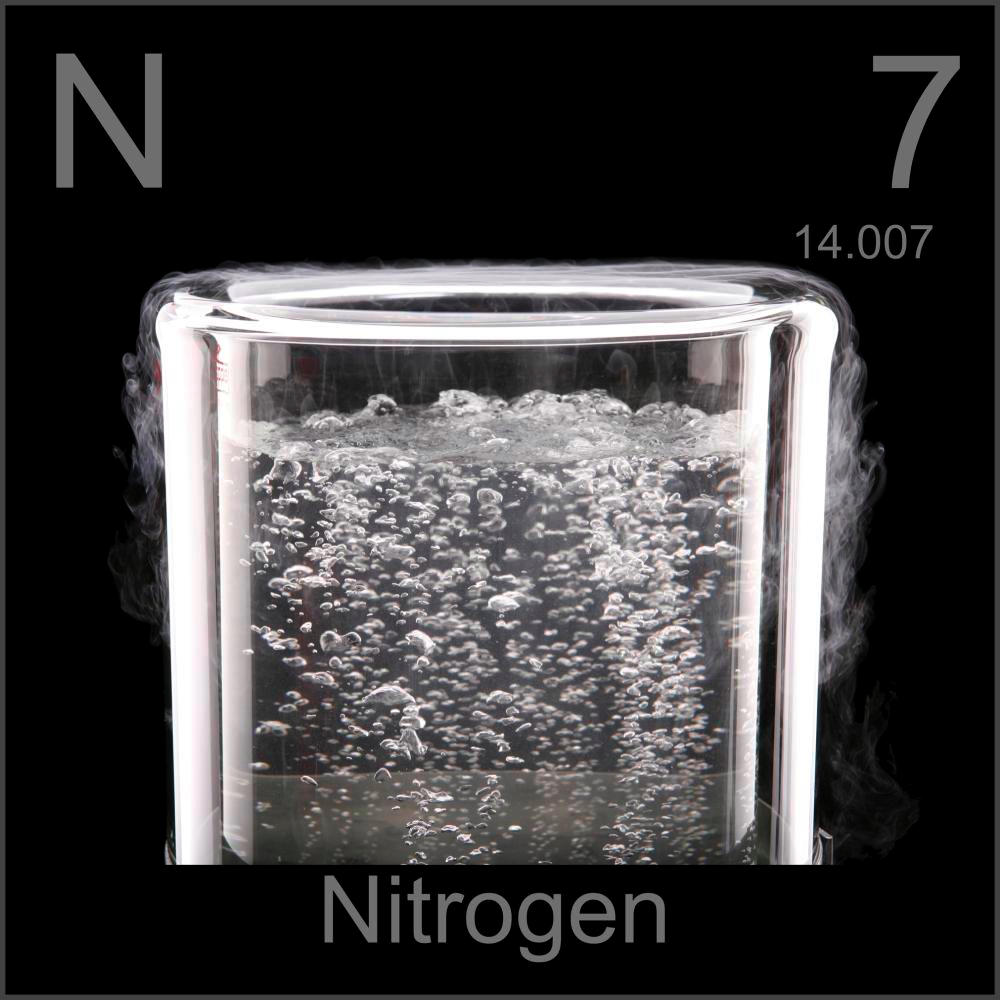
Nitrogen's atomic number is 7, atomic weight is 14, and is a colorless non metal.  It's an inert gas because it doesn't undergo chemical reactions under a set of given conditions. This can be seen through the atmospheres. Nitrogen is a vital element in the Earth's atmosphere, making up 78% of the it.  However, other planets like Mars, make up much less (3%).  Nitrogen is an excellent element due to its abundance and cheap costs. Nitrogen is used for manufacturing fertilizers, plastics, dyes and explosives.  Liquid nitrogen can be used as a refrigerant for storing medical research and reproductive technology.

Findings in my kitchen: heh, I'm on that student budget, but I try to still eat healthy! In the fridge, there's greens (salad, celery, cucumber, kale) apples, bread, eggs, condiments, and chicken.  In the freezer is more colors! (vegetables) and frozen fish. Cupboards are bland with just spices and pasta. Overall, I think the colors could be more varying, but not bad!! I always like to have at least 2 bright ingredients in my meals.

I enjoyed all the articles from last week's lesson! Food is an important part in our every day lives, and knowledge is power. Some people try to disregard the facts about some of our foods, but if we're putting toxic chemicals into our body every day, we're going to see the negative outcomes. Food is definitely medicine.  Just as much as it can be harmful to you, eating the proper foods can heal you.  I believe that going a more natural route is a million times better than eating junk and trying to "fix" yourself after.

Tuesday, February 4, 2014

Week 4

The catalyst of the week is.......Titanium!


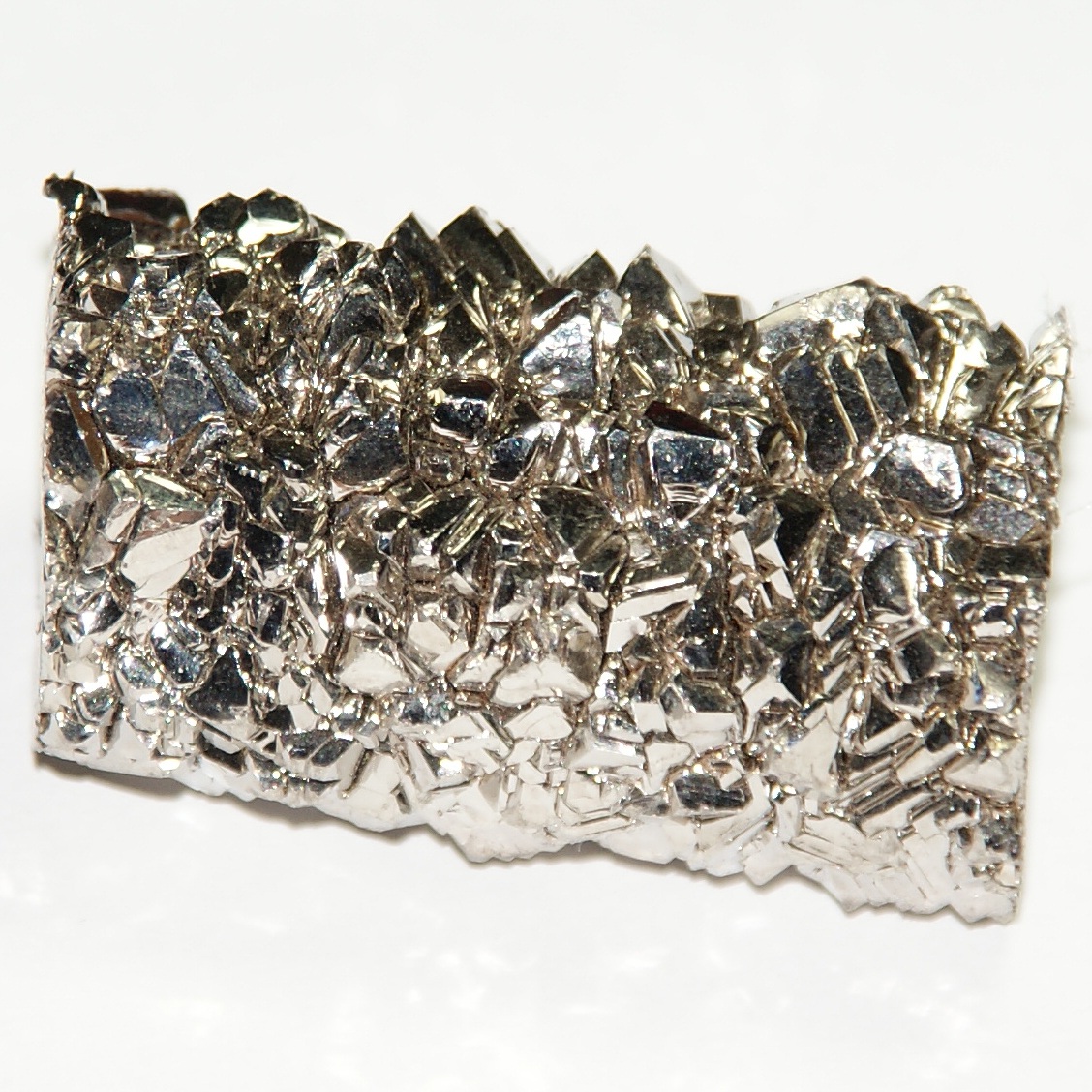
This element is number 22 in the periodic table, it's a transition mental and has the atomic mass of 48. The chemical symbol is Ti. This element is famous for not only being part of a song, but its greyish color and its strength.  Due to its strength, it is hard to extract and can therefore be expensive. Even though it is strong, it is also light! In comparison to the other elements, it is as strong as steel but also 45% lighter than steel.  Boats, airplanes, rockets, and whatever other material that needs strong, yet light metal can benefit from its uses. It's the 9th most abundant element in the earth's crust.


Thoughts on this week's discussion: 
I think science without social responsibility happened because everyone was too caught up on trying to "better" the world and make new discoveries.  Almost to the point where greed became a factor because new discoveries would help bring fame and money.  Unfortunately, the effects of what happens is usually the last thing many people think about- an afterthought.  My opinion of Green Chemistry as a social movement is that it is a step in the right direction, but we do have a long ways to go.  With anything, baby steps are needed to really make a positive direction, but I think more caution to be used. Especially with these products claiming how safe they are. With all this thought, I think we're far from being a green economy. However, at least it's becoming more of an effort to take a step in the right direction