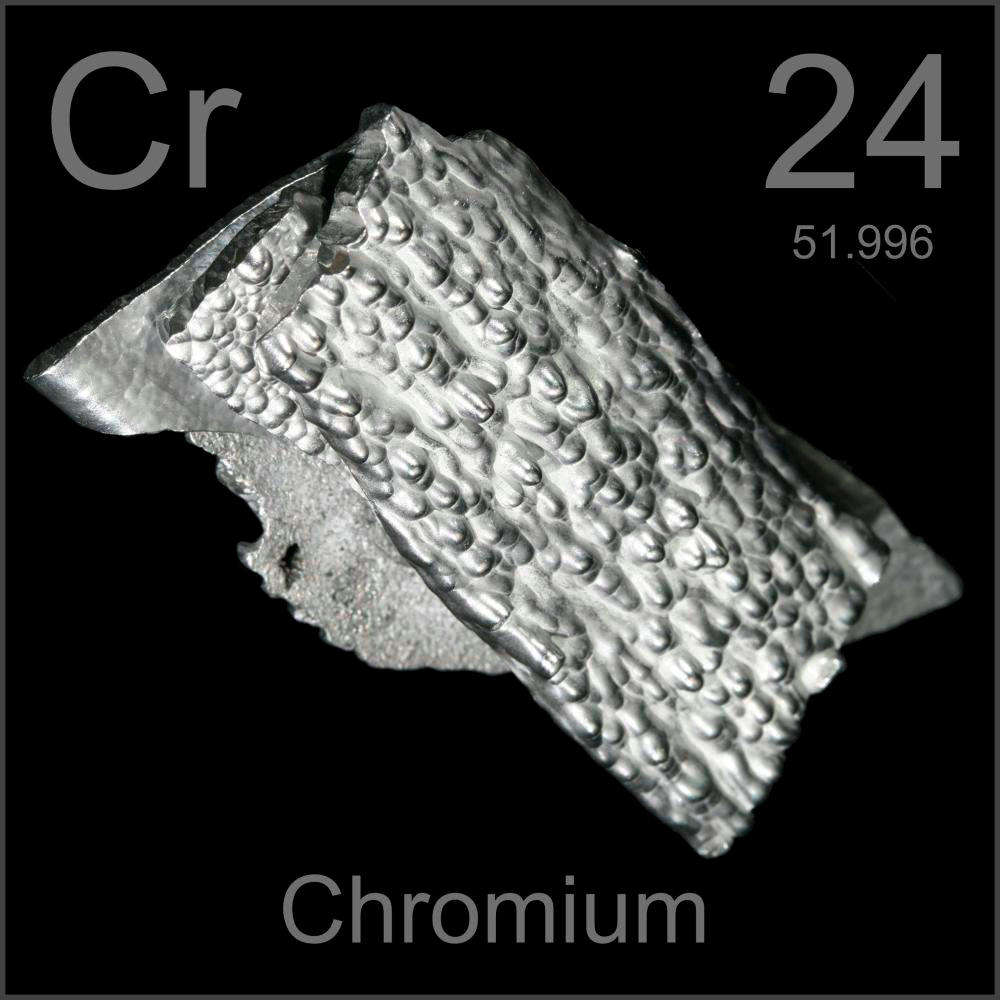
Look how shiny and lustrous it is! Chromium's atomic number is 24, with a mass of approximately 52. The melting point is an astonishing 1857.0 °C (2130.15 K, 3374.6 °F)
and boiling point is 2672.0 °C (2945.15 K, 4841.6 °F). It was discovered in 1797 by
Louis Vauquelin. Even though it's pretty to look out, the compounds are toxic. Adding chromium to stainless steel is how metals are able to resist corrosion. It is also used to prepare pigments, gives grass its green color, rubies its red and emeralds their green, by using it as a decorative and protective metal coating and as a catalyst.
Louis Vauquelin. Even though it's pretty to look out, the compounds are toxic. Adding chromium to stainless steel is how metals are able to resist corrosion. It is also used to prepare pigments, gives grass its green color, rubies its red and emeralds their green, by using it as a decorative and protective metal coating and as a catalyst.
Neptune's Medicine:
I found the article to be quite interesting! Utilizing the resources of the ocean is something that I wouldn't have thought of. I also thought it showed how complex trying to make tests and formulas are, and the intense amount of work that goes into it. Bill Fenical is definitely a dreamer, and he's done a lot of work that will hopefully make a huge change in the future of medicine and drugs.
Green Chemistry:
I think this concept is awesome! When I think of chemicals, I think of toxic substances that occasionally can do good, but more likely it's harmful. The ability to use sustainable products and biodegradable will help the earth in the long run. I like the 12 principles that Green Chemistry stands by. It shows that they're really trying to make a difference and just better everything as whole by prevention rather than having to do a clean up after a catastrophe happens.
